Everyone has a story. Those who came home from war may have decided to share their stories of service. Those who did not come home still have a story to share. This is the Untold Story of LTJG Harry S. Morton and his 3 year old son Richey.
The United States Navy Memorial Stories of Service Program is honored to announce the March 2026 story of the month has been selected to recognize the memory of LTJG Harry S. Morton of the United States Navy Reserve. This year, the Story of the Month publication will honor and recognize the service memory of those lost by commemorating our Untold Stories of Service work with Richard Sherman, author of “Never Home: Remembering the Military Heroes Who Never Returned.” The following was researched, written, and presented to the Story of the Month publication by Richard Sherman.
“The entire Morton family was sent to prison camps when the Philippines fell to the Japanese in 1942. Only one would survive.
Harry Sankey Morton was born in Kobe, Japan in 1908. He was the fourth of five children born to Irish immigrant Richard Morton and California-native Alice Higson. Harry’s father worked for the Pacific Steamship Company and the United States Shipping Board so the family moved frequently, living in Japan, China, the Philippines, and California. Mr. Morton passed away in 1933. Two years before his death, Richard’s son Harry graduated with a degree in Economics from Stanford University. He had been a member of Kappa Sigma fraternity.
By 1933, Harry was working in the Philippines for the agricultural equipment manufacturer, International Harvester. He joined the US Navy Reserves in December 1936 working as an Intelligence Officer. The following year, he married University of Arizona alumna, Alice Gallagher, on April 24, 1937, also in the Philippines. Harry and Alice’s brother, George, had been classmates and friends in the Philippines at the Bishop Brent Baguio boarding school, which is still open today.
The couple had one son, who was born in May 1941. He was named Richard after Harry’s father. That same year, LTJG Morton was recalled to active duty as part of the 16th Naval District while living in Manila.
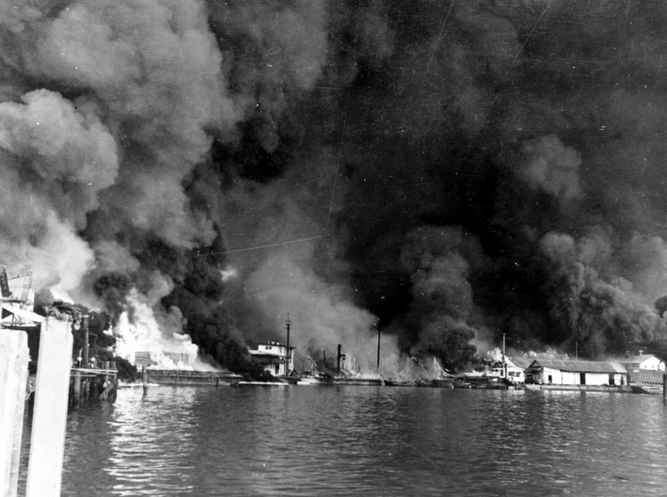
On January 2, 1942, the Japanese occupied Manila and Morton’s wife and son were taken prisoner. In the meantime, LTJG Morton departed with fleeing American military forces to Corregidor Island, which, at the time, had the largest American Navy base west of Pearl Harbor.
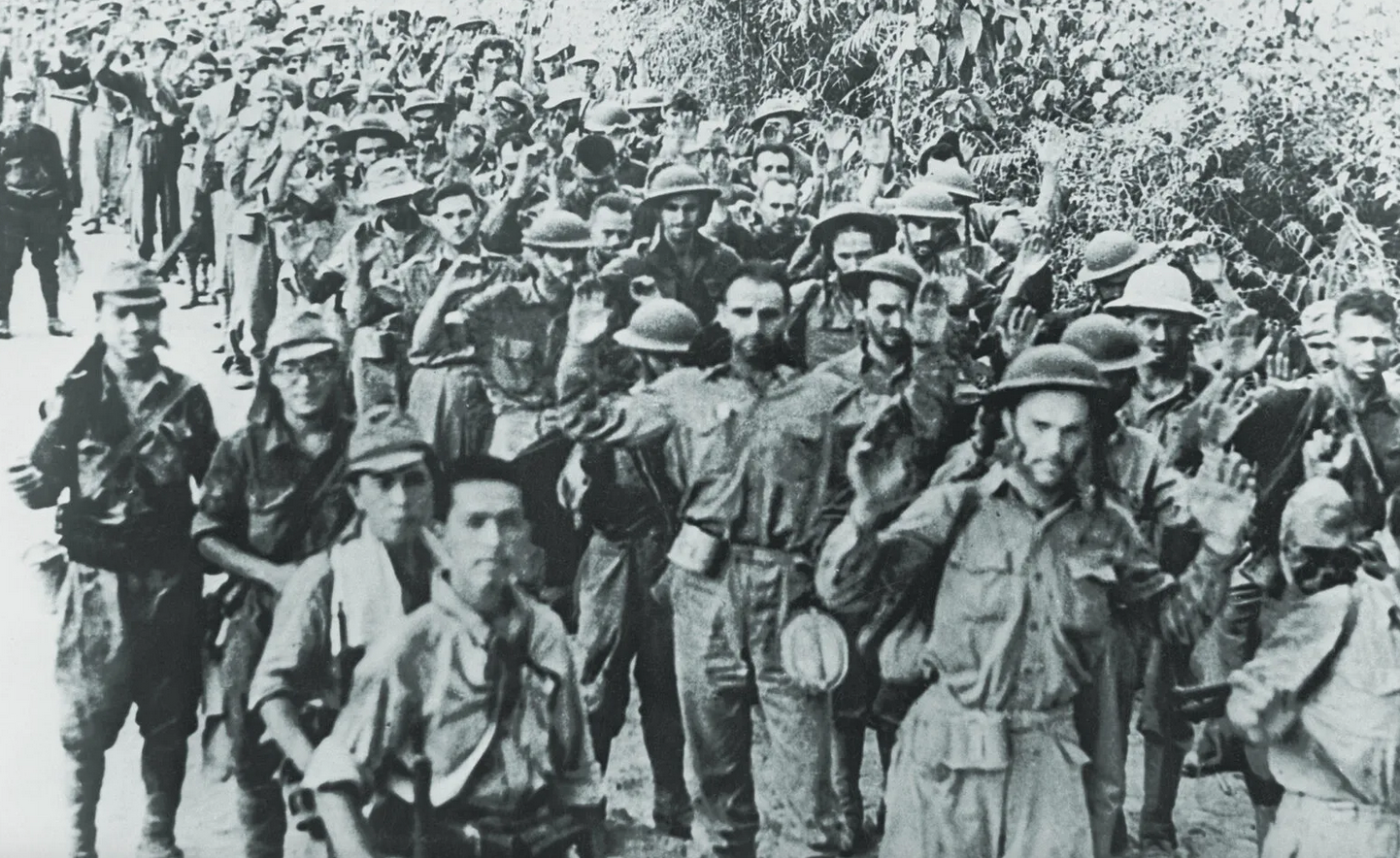
Morton was eventually captured when the island fell to the Japanese on May 6, 1942 with the surrender of General Jonathan Wainwright. He was taken back to the mainland and force-marched up to the filthy, and overcrowded Cabanatuan POW camp.
LTJG Morton would survive only briefly, dying of dysentery and other complications from the extreme conditions on July 14, 1942. Meanwhile, his wife Alice and son Richard were in Santo Tomas Internment Camp in Manila. However, Richey, like his father, died under Japanese internment of encephalitis and dysentery on May 15, 1944.
Only Alice would survive the war, having been released in good health in early-1945.
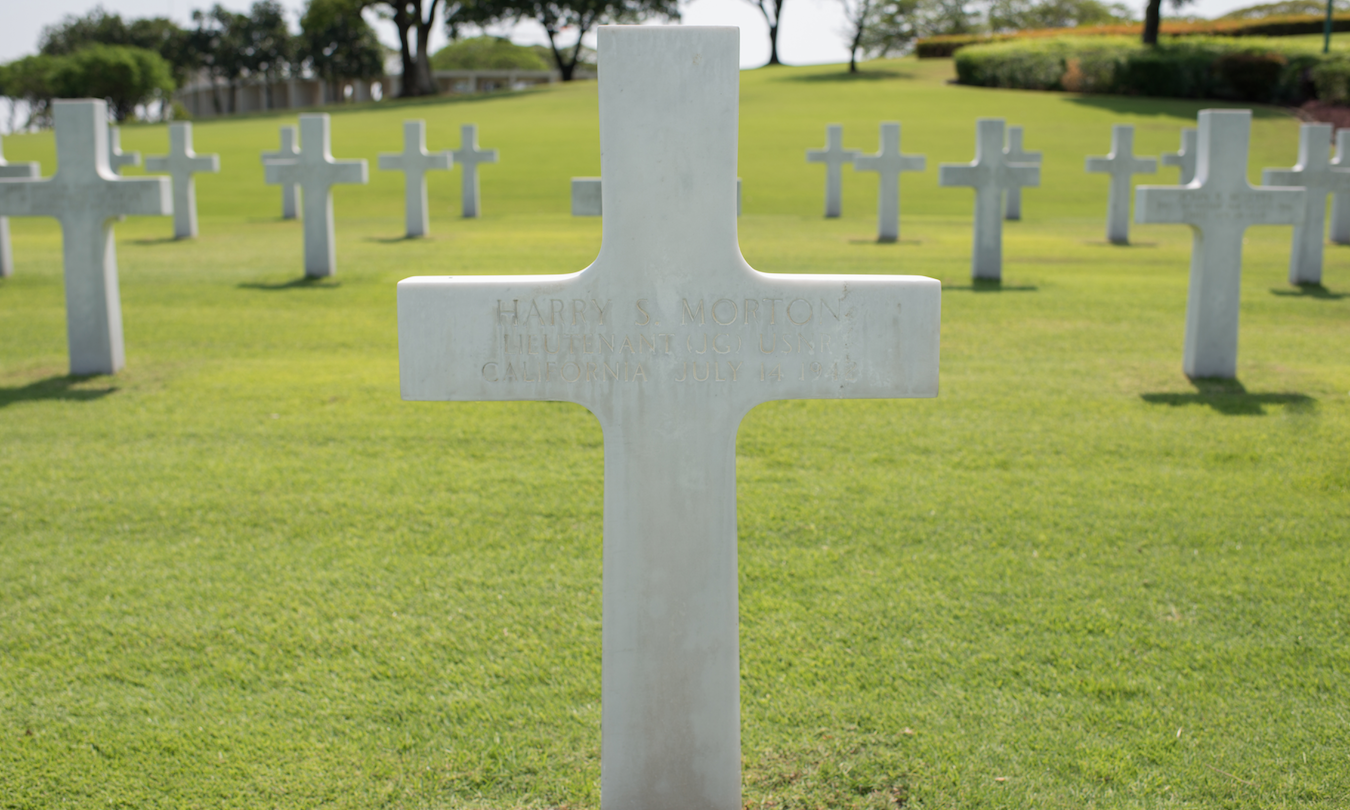
LTJG Morton is buried in Plot N row 5 grave 32 at Manila American Cemetery. Buried with him is his son, Richey Morton.
It is the only burial that I am aware of where a father and son are interred together in America’s overseas military cemeteries. Their names appear on opposing sides of the same headstone. Harry Sankey Morton died just 4 days shy of his 34th birthday and his son Richey was just 3 years old.”
Untold Story of LTJG Harry S. Morton
The United States Navy Memorial honors LTJG Harry S. Morton of the United States Navy Reserve, featured within this Story of the Month. Each month, this series honors a Veteran’s story recorded by the Stories of Service Program at the Navy Memorial. To learn more about this story and to explore the Navy Memorial archive, visit the Navy Memorial Stories of Service site at https://www.navymemorial.org/stories-of-service
Richard Sherman is a published author, professor, Navy Gulf War Veteran, and contributor to the Untold Stories of Service Program. Richard also joined the ranks of the Navy Memorial Stories of Service Program and actively interviews Veterans which has enriched our program by conducting extraordinary interviews which are now part of the Navy Memorial Interview Archive. To further explore the work of Richard Sherman, visit: www.NeverHomeHeroes.com