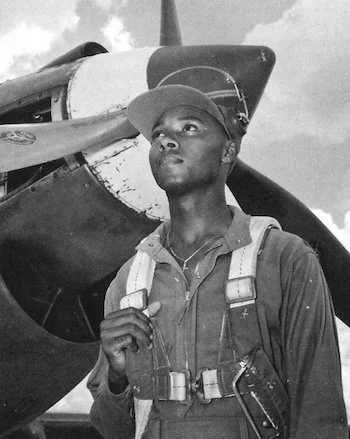
Everyone has a story. Those who came home from war may have decided to share their stories of service. Those who did not come home still have a story to share. This is the Untold Story of Captain Mac Ross of the 100th Pursuit Squadron.
The United States Navy Memorial Stories of Service Program is honored to announce the April 2026 story of the month has been selected to honor the memory of Captain Mac Ross, 100th Pursuit Squadron, United States Army Air Force. This year, the Story of the Month publication will honor and recognize the service memory of those lost by commemorating our Untold Stories of Service work with Richard Sherman, author of “Never Home: Remembering the Military Heroes Who Never Returned.” The following was researched, written, and presented to the Story of the Month publication by Richard Sherman.
“Mac was a good pilot. It takes a special kind of individual to be a good fighter pilot. He was a pilot’s pilot.”
Mac Ross was born just outside Selma, AL on June 7, 1916. He was 1 of 9 children born to Sam and Willie Ross. While still a child, the family moved to Dayton, OH, where Mac attended Roosevelt HS and delivered newspapers in his youth.
A quiet and confident young man, Mac went to West Virginia State College where he was a member of the Alpha Phi Alpha fraternity. As a young man, he was interested in aviation and joined the United States’ newly-established Civilian Pilot Training Program at West Virginia State College. The cost to participate in the program was $15 per week, which was paid for by his father, Sam. After graduation, he returned home and worked briefly at the Dayton Malleable and Iron Works.
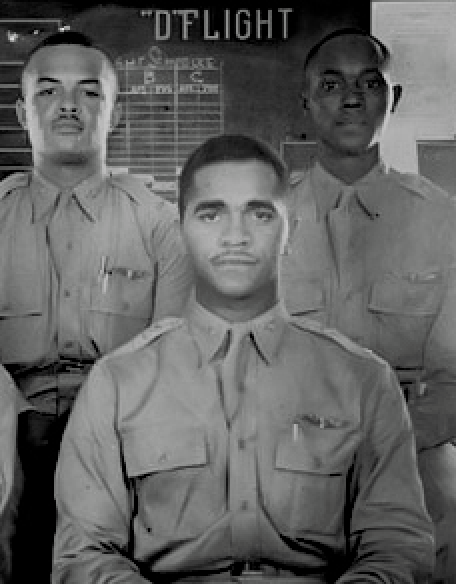
As America prepared for war, Mac Ross became one of the first cadets in the Tuskegee Air Program in July 1941. He received his Army commissioning with his pilot’s wings in March 1942.
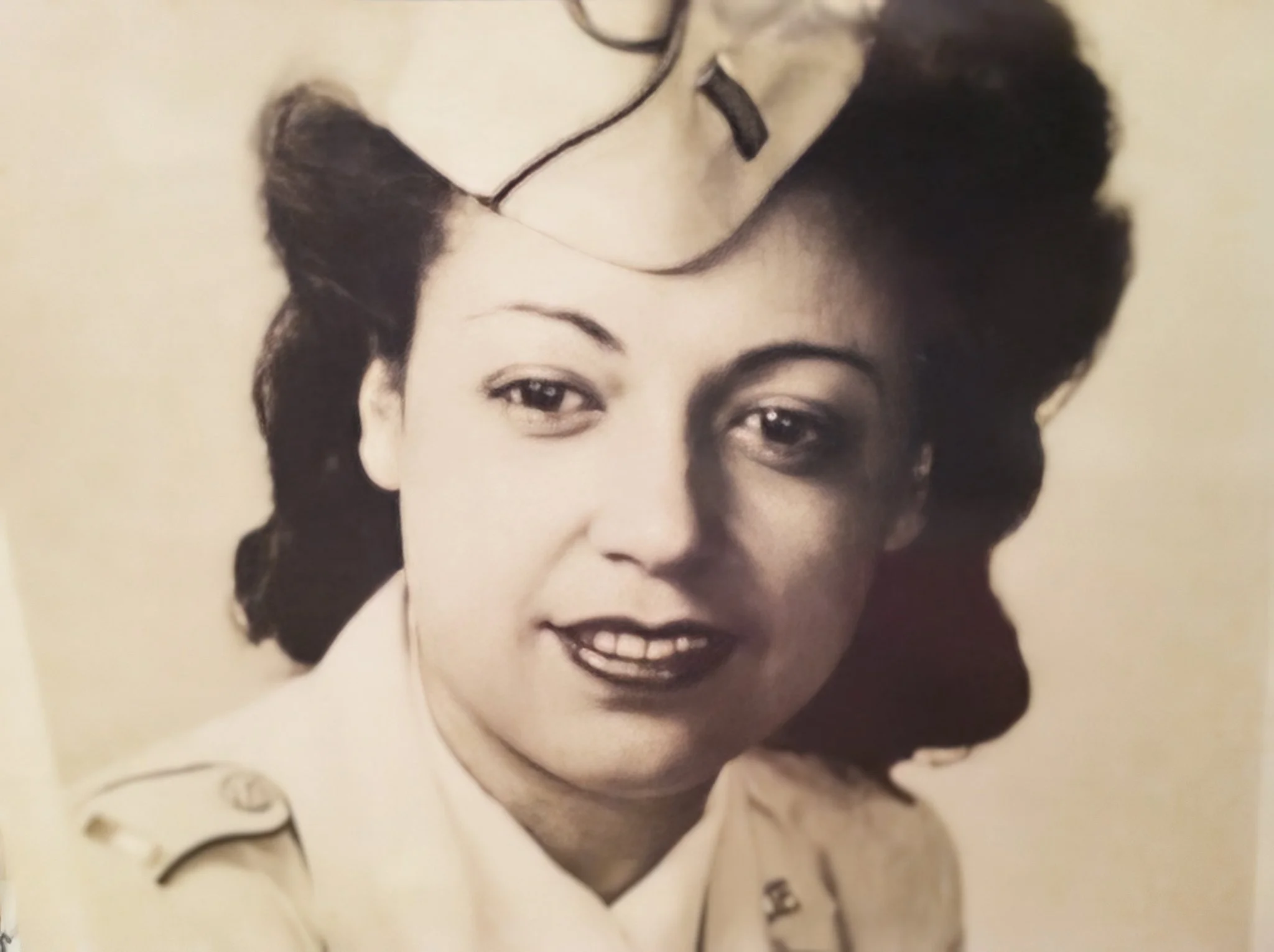
He went on to become the Commanding Officer of the 100th pursuit squadron at Tuskegee Airfield and on June 3, 1943 married Army nurse Lieutenant Abbie Voorhies who was also stationed at Tuskegee Airfield.
In December 1943, his unit went overseas, and Ross flew more than 50 combat missions, primarily in P-47s Thunderbolts escorting B-17 and B-24 bombers out of Foggia, in southeastern Italy.
As the 100th Pursuit Squadron transitioned to the new P-51 Mustangs, Mac Ross headed out on a test flight on July 10, 1944. However, he never returned. His plane crashed in the nearby hills.
Of her husband, Lieutenant Voorhies said, “He loved people. He seemed like an all-around guy.”
And as his flight instructor Colonel C. I. Williams said in the opening quote, “Mac was a good pilot.”
Captain Mac Ross is one of 17 Tuskegee Airman buried in America’s 23 overseas military cemeteries.
He is the highest ranking of those Airmen, and is buried in Sicily-Rome American Cemetery, along with 9 other Tuskegees. Mac Ross was 28 years old.
Untold Story of Captain Mac Ross
The United States Navy Memorial honors Captain Mac Ross, 100th Pursuit Squadron, United States Army Air Force, featured within this Story of the Month. Each month, this series honors a Veteran’s story recorded by the Stories of Service Program at the Navy Memorial. To learn more about this story and to explore the Navy Memorial archive, visit the Navy Memorial Stories of Service site at https://www.navymemorial.org/stories-of-service
Richard Sherman is a award winning-author, professor, Navy Gulf War Veteran, and contributor to the Untold Stories of Service Program. Richard also joined the ranks of the Navy Memorial Stories of Service Program and actively interviews Veterans which has enriched our program by conducting extraordinary interviews which are now part of the Navy Memorial Interview Archive. To further explore the work of Richard Sherman, visit: www.NeverHomeHeroes.com